
Illustrations - Superman's Not Coming: Our National Water Emergency and What We the People Can Do About It
By Erin Brockovich

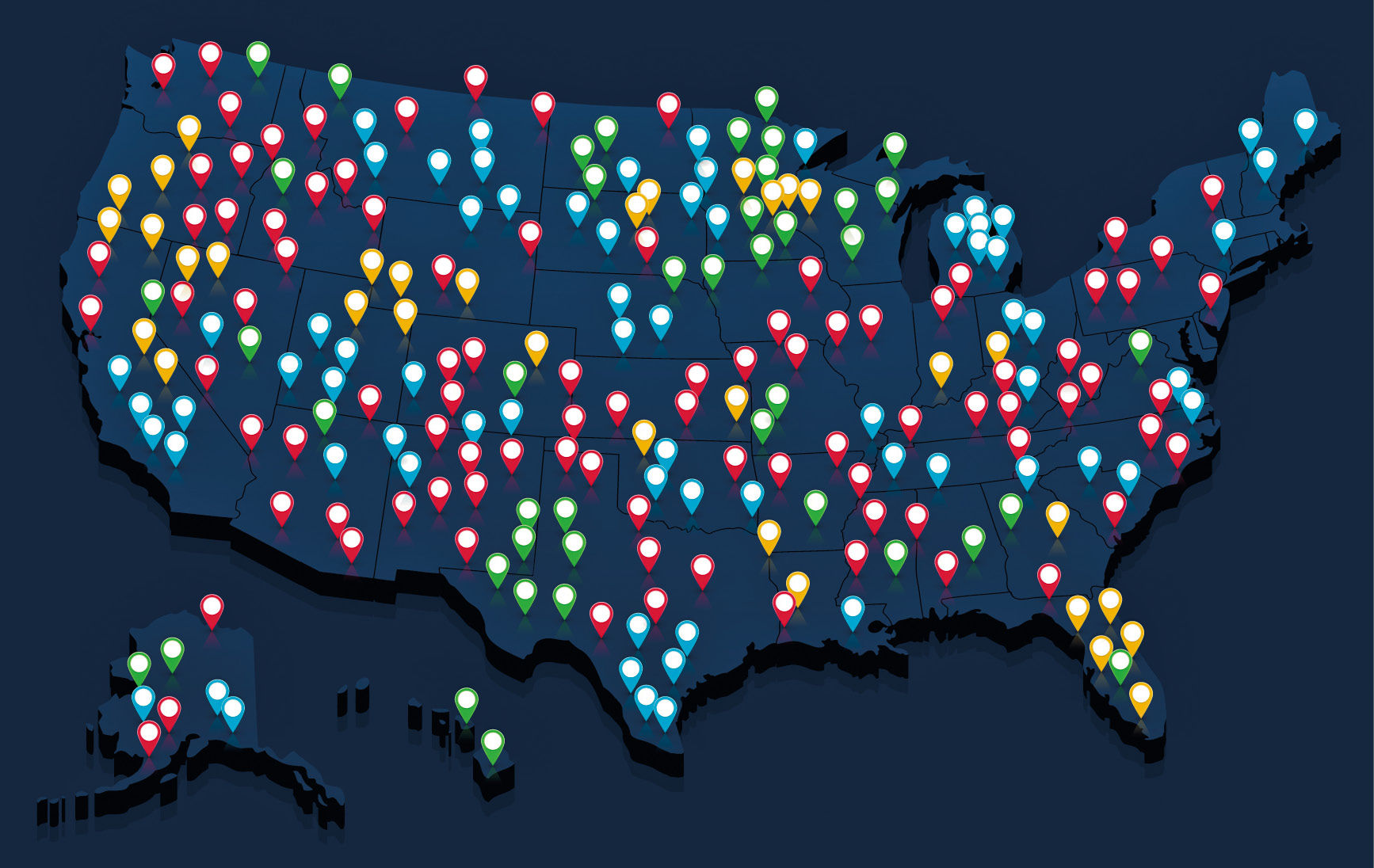
A self-reporting map, www.communityhealthbook.com is where people can report illness and diseases in their communities.
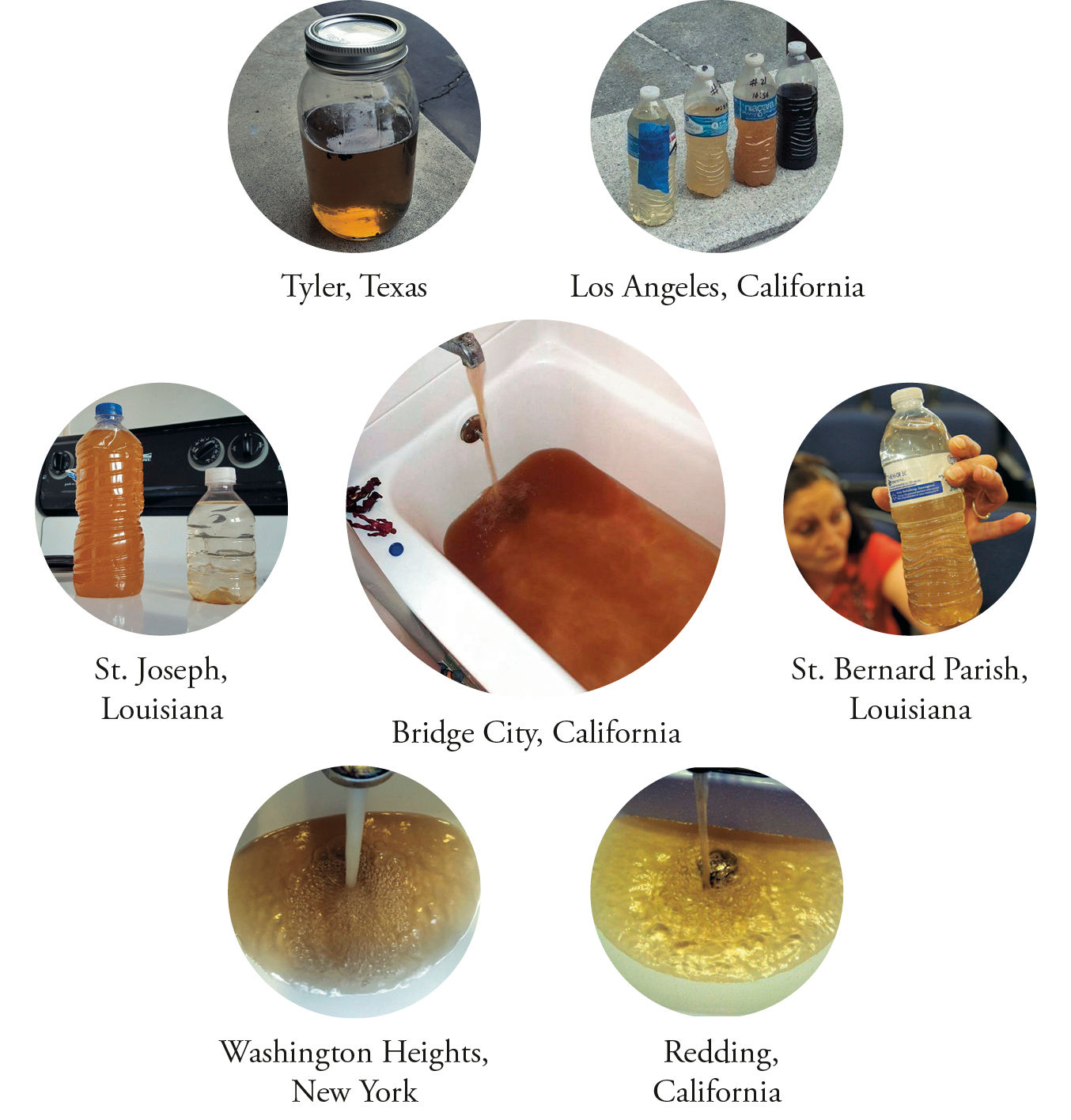
I receive hundreds of emails every day from people throughout the country, many of which contain photos of discolored water. Here is a sampling from 2016, and the emails continue to this day with photos of brown water, orange water, and more, from all over the United States and the world.
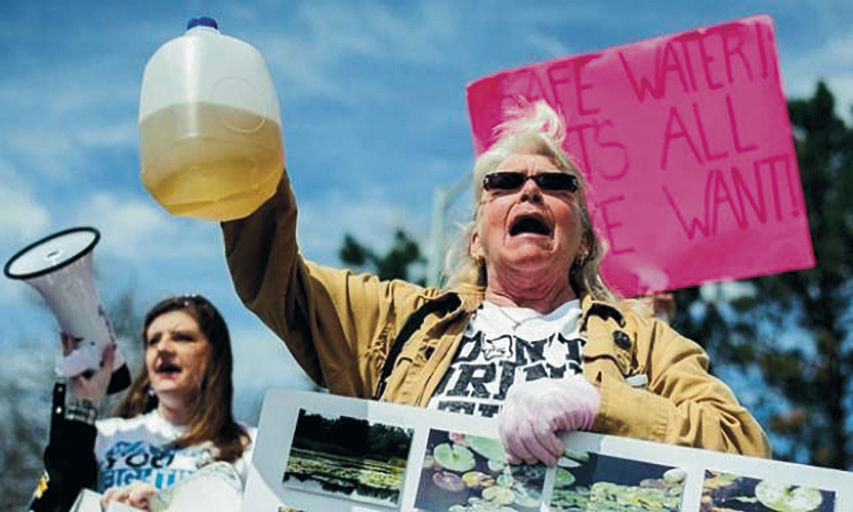
Melissa Mays (left, with megaphone), a mother from Flint, Michigan, and founder of Water You Fighting For?, at one of the many rallies held during the Flint water crisis, a crisis that continues today.

Action begins at the local level, where everyday people get involved to fight for a better future and help their communities. Above are some photographs of the tainted water from just a few of those communities, including Hoosick Falls, New York; Tyler, Texas; and Sebring, Ohio.
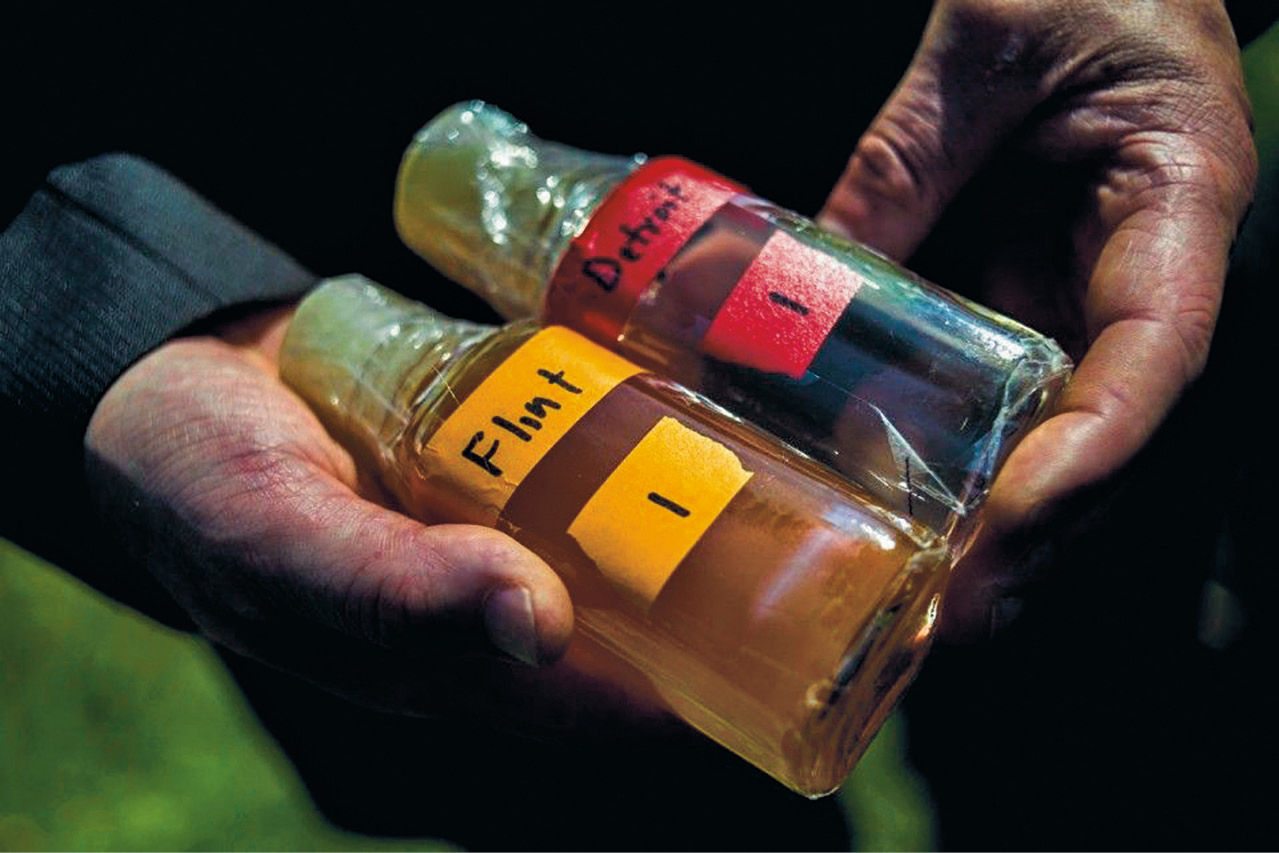
Lead-contaminated water during the Flint water crisis

A fish with tumors being pulled from the water in southwest Florida in the summer of 2018, during the red tide and blue-green algae crisis. It caused thousands of marine animals to die, and hundreds of tons of dead fish washed ashore.

Being presented with a tribal blanket by Casey Camp-Horinek, a councilwoman of the Ponca Tribe of Oklahoma, in 2016, while bringing attention to the escalating number of earthquakes in Oklahoma as a result of fracking throughout the state

Climate change affects the demand for water, as well as the supply. The Ogallala Aquifer lies beneath parts of South Dakota, Nebraska, Wyoming, Colorado, Kansas, Oklahoma, Texas, and New Mexico. Farmers are extracting water faster than it is being replenished.

Miami, Florida, faces chronic flooding challenges, even on days when the sun is out. As sea levels rise, saltwater will seep into the groundwater that residents rely on for drinking.

In 2017, DuPont paid hundreds of millions of dollars to settle two environmental lawsuits just before its nearly $150 billion merger with the Dow Chemical Co. In one of those lawsuits, DuPont paid more than $50 million to resolve claims of mercury leaking from its former facility in Waynesboro, Virginia. In the other, DuPont and Chemours agreed to pay more than $670 million to settle 3,500 lawsuits related to the release of PFOA, a toxic chemical used to make Teflon.
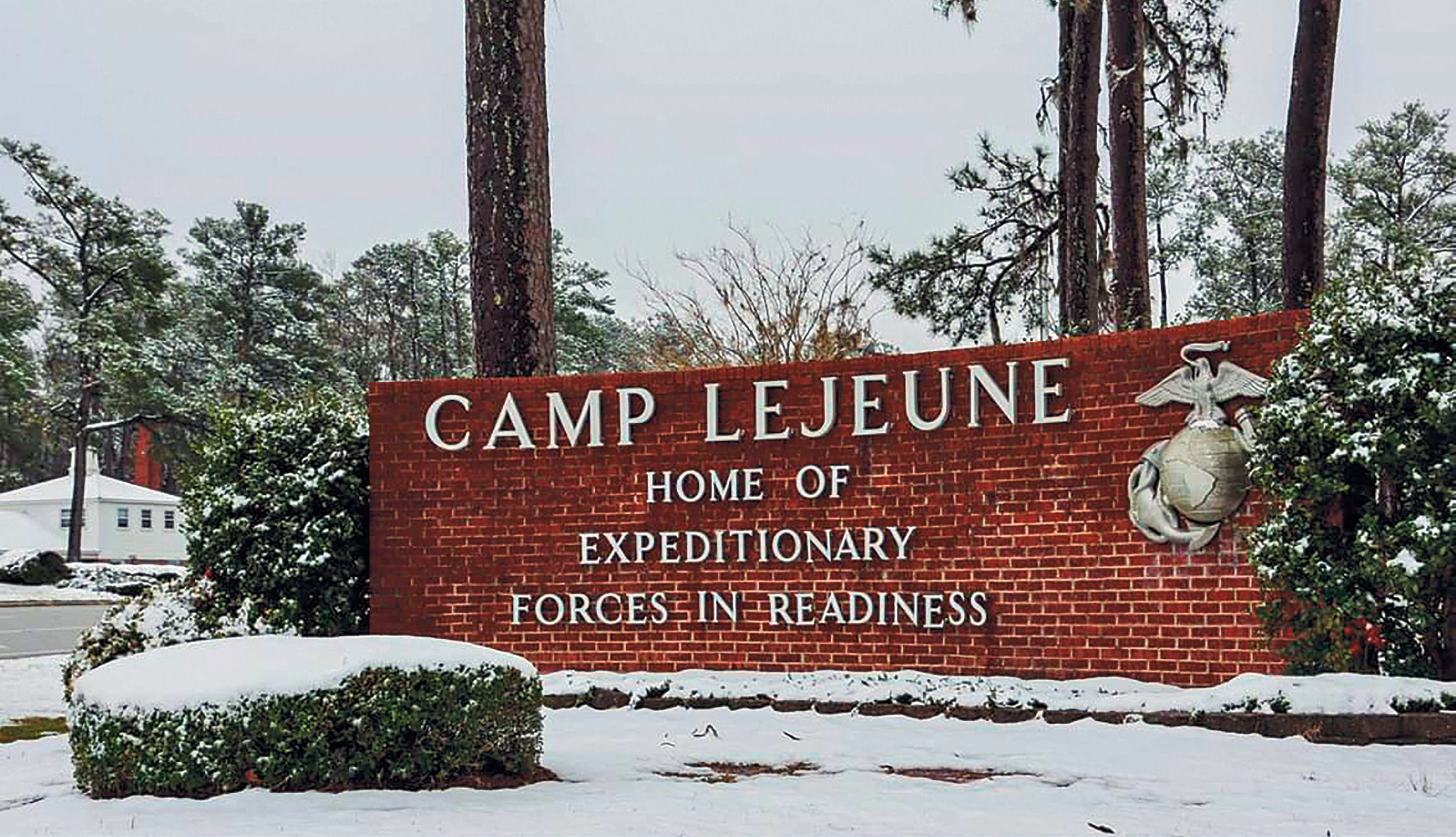
Camp Lejeune, in Jacksonville, North Carolina, the largest Marine Corps base on the East Coast and considered the site of the worst water contamination case in United States history
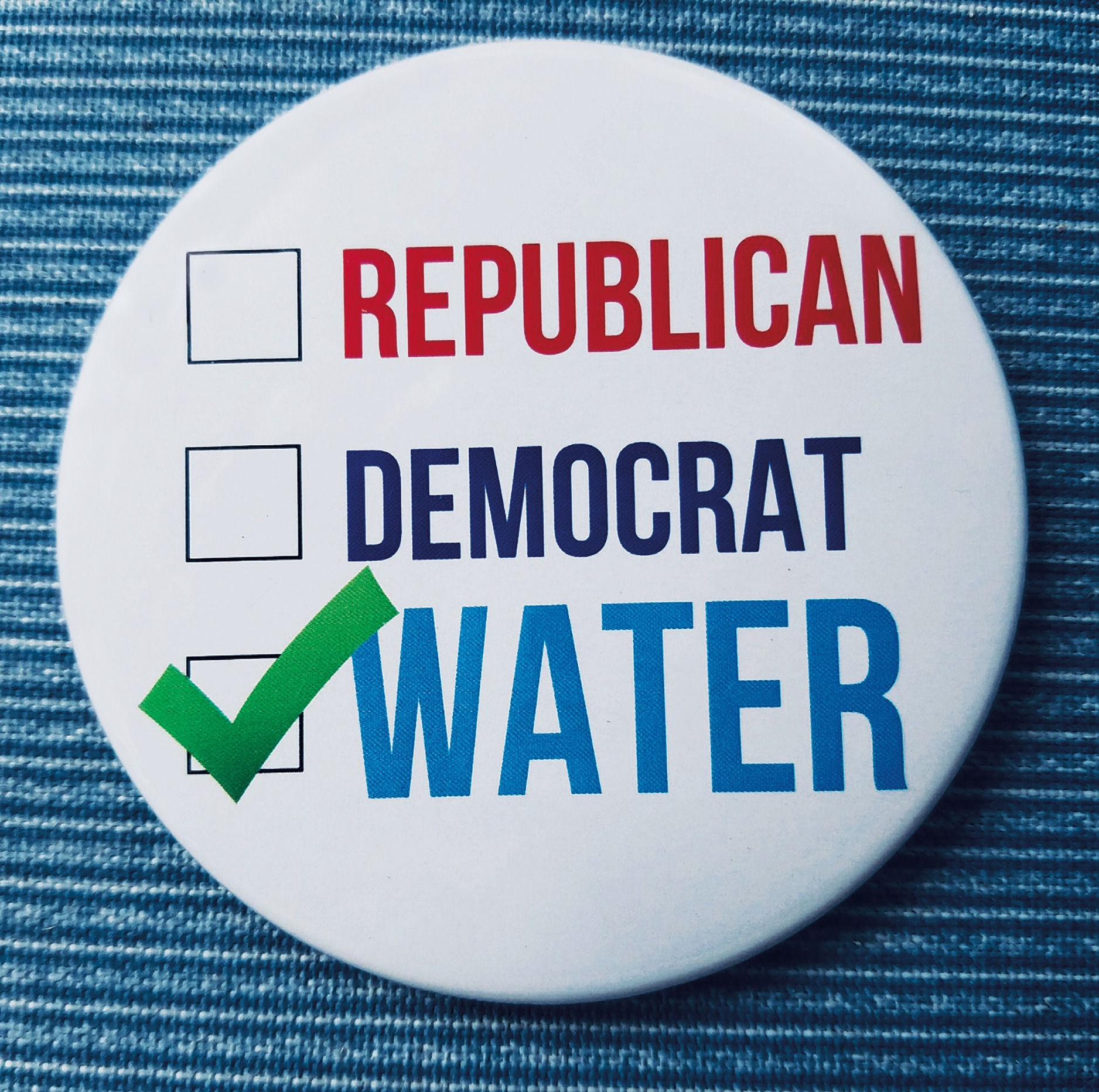
Clean water is not a Democratic or Republican issue. Make sure that the next time an election comes around, the candidates know that you, their constituents, care about water issues.